

The Circular Flow: Understanding Advanced Wastewater Recycling
Introduction: Why Recycling Water Matters Globally
Recycling, in the broadest sense، involves minimizing waste and extracting maximum value from resources. When applied to water، this practice—known as wastewater reuse—is rapidly becoming a critical global necessity. Water scarcity is an emerging worldwide challenge, driven by factors like climate change. By treating and reusing wastewater, communities can significantly reduce their reliance on freshwater resources and potable water supplies.
Wastewater reuse offers multiple benefits, serving as an alternative source of water and nutrients for various sectors, including agriculture, urban amenities, and industry. While this circular approach provides clear advantages, it also presents potential risks to human health and the environment that must be carefully managed. The process of transforming used water into a safe, usable resource requires a sophisticated and controlled system, typically managed through a modern, risk-based framework.
This article, structured around the stages of a comprehensive recycling flow, will detail how modern wastewater treatment facilities—the technological core of water recycling—address these challenges to ensure the resulting water is safe and fit for its intended purpose.
A Comprehensive Outline of the Recycling Process
The recycling of wastewater follows a structured, risk-based pathway that includes source control, advanced treatment, quality verification, and safe application. International guidelines often rely on a risk-based framework to identify hazards and implement control measures, ensuring health-based targets are met.
Phase 1: Source Control and Collection (Preparation)
The journey of wastewater recycling begins long before the water enters the treatment plant, focusing on what enters the system and the intended reuse application.
- The Foundational Hierarchy: Reduce, Reuse, Recycle Water conservation operates on a foundational hierarchy: Reduce, Reuse, and Recycle. Reducing water usage is always the first priority. Wastewater recycling then serves as the mechanism to reuse water resources that would otherwise be discharged.
- Wastewater Collection and Source Quality The quality of the source water—the influent wastewater—is key. Wastewater primarily comes from municipal (domestic) sources, but often industrial waste is also discharged into the sewer. The composition of contaminants (pathogens and chemicals) depends heavily on these contributing streams.
- Excluding Chemical Hazards (Industrial Input Control) Chemical hazards are typically managed at the source. Many guidelines recommend that industrial wastewater containing toxic chemicals be excluded from the reuse stream or strictly controlled at the point of discharge. This is achieved through local regulations that manage the release of industrial chemical contaminants into the sewer system. Preventing toxic chemicals from entering the system is the primary source control measure.
- The Challenge of Microbial Hazards (Pathogens) The greatest risk to human health from wastewater reuse stems from microbial pathogens, such as bacteria, viruses, protozoa, and helminths. These pathogens cause gastroenteric illnesses (GI) and other diseases. Identifying these hazards is the first step in risk management.
Phase 2: Defining Safety (Risk Framework)
To manage the significant health risks posed by pathogens, modern recycling systems rely on a systematic risk-based framework.
- The Need for a Risk-Based Framework Most current international guidelines, including those from the WHO, EU, and ISO, advocate for a risk-based framework over older, more prescriptive methods. This approach is flexible and can be tailored to local conditions, providing a more dynamic way to manage risk.
- Setting Health Targets (10−6 DALY pppy) The risk framework establishes health-based targets that reflect a tolerable risk level for the community. This tolerable risk is often quantified using the Disability Adjusted Life Year (DALY), a measure of disease burden per person per year (pppy). The widely accepted reference health-based target is 10−6 DALY pppy.
- Quantitative Microbial Risk Assessment (QMRA) To ensure the health target is achieved, a Quantitative Microbial Risk Assessment (QMRA) is often employed. QMRA simulates microbial exposure doses and utilizes dose-response relationships from scientific literature to estimate the risk of infection or illness. This sophisticated modeling helps determine the necessary reduction in pathogen concentrations (log pathogen reduction) required for different reuse activities.
- Preventive Control Measures (Barriers) Once the risks are assessed, preventive control measures (or barriers) are implemented across the system to reduce hazards. These controls are often applied in an additive way. If wastewater treatment alone cannot achieve the target log reduction, other measures are added, such as restrictions on site access, specific irrigation methods (like drip irrigation), or crop selection.
Phase 3: The Processing Stage (Treatment Technology)
The “Processing” stage is where the raw water is cleaned, representing the heart of the recycling flow diagram. The goal is to achieve significant pathogen and chemical removal to meet defined water quality criteria.
- Processing Wastewater: A Key Barrier Wastewater treatment is the primary and most important preventive control measure. Different treatment systems achieve varying levels of pathogen removal; for example, a high-quality system using filtration and disinfection (like chlorination or UV) can achieve a 6.5-log removal of viral pathogens, while a simpler stabilization pond might only achieve a 2-log removal. The overall required pathogen reduction depends on the final use and the other preventive controls applied.
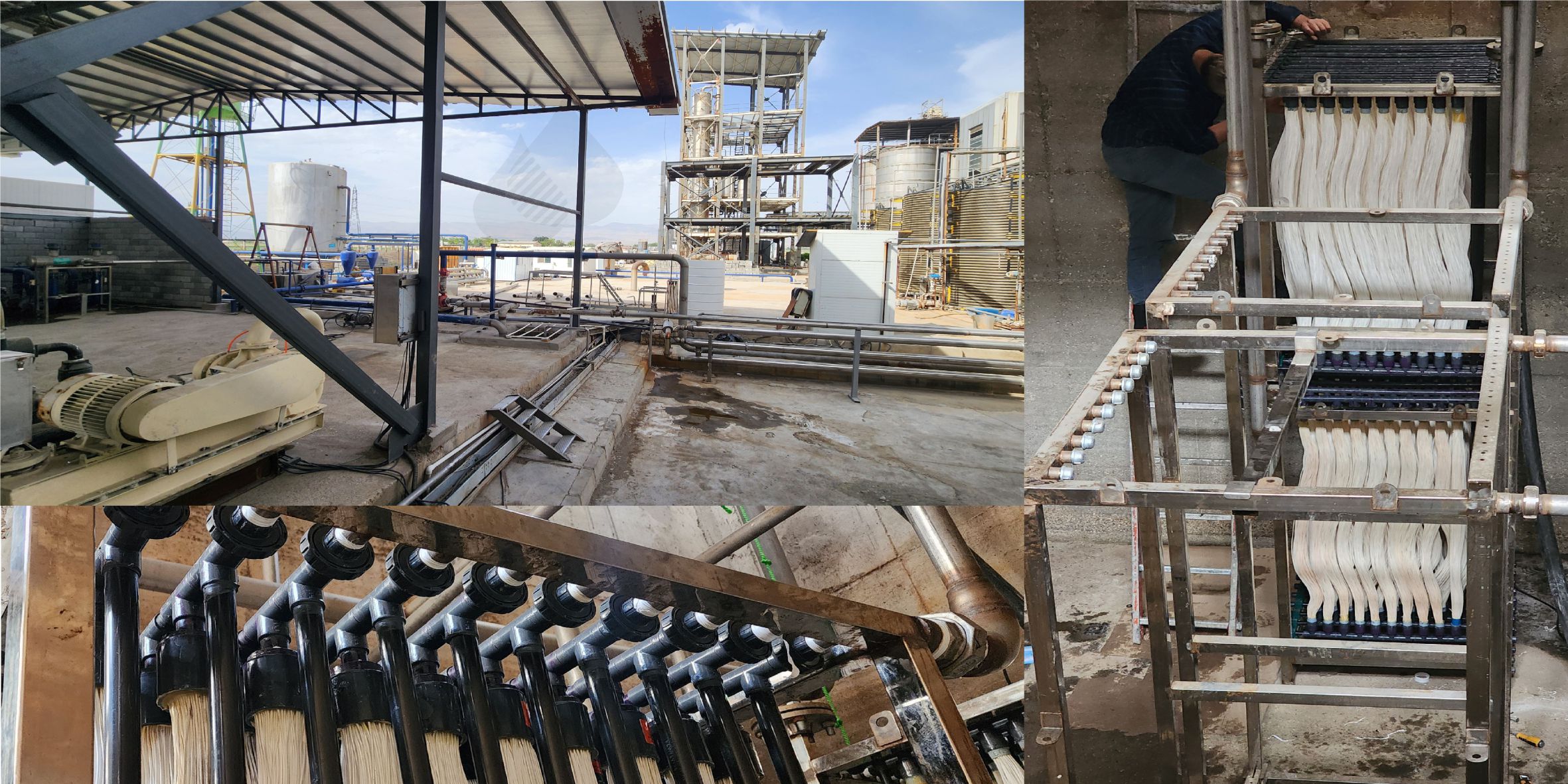
- Explaining the Flow Diagram: Technical Treatment Stages The core treatment processes outlined in the provided technical document illustrate a sequence of advanced steps designed to remove pollutants, specifically focusing on Chemical Oxygen Demand (COD). COD measures organic pollution and is a key parameter for evaluating treatment effectiveness. The following sections explain how these specific treatment stages contribute to the overall recycling flow, showing how the pollution load is progressively reduced.
| Treatment Stage | Role in Recycling Flow | COD Removal Efficiency |
| UAFBR (Anaerobic Reactor) | Initial reduction of organic load. | 50–75% of influent COD |
| IFAS (Activated Sludge) | Biological degradation and clarification. | 60–80% of remaining COD |
| MBR (Membrane Bioreactor) | High-level biological and physical separation. | 85–95% (stand-alone) of remaining COD |
| AOP (Advanced Oxidation) | Removal of recalcitrant organic matter. | 40–80% of remaining COD |
| UF (Ultrafiltration) | Fine physical separation and barrier creation. | ∼80% of remaining COD |
Export to Sheets
- Anaerobic Reactor (UAFBR) Efficiency The Upflow Anaerobic Fixed-Bed Reactor (UAFBR) is an anaerobic process used early in the treatment chain. Its primary function is to break down complex organic materials without oxygen. The UAFBR is highly effective at reducing the initial chemical load, achieving a COD removal efficiency of 50–75% of the influent COD.
- Integrated Fixed-Film Activated Sludge (IFAS) Clarification The Integrated Fixed-Film Activated Sludge (IFAS) system often follows primary treatment. This stage uses both suspended biomass (activated sludge) and fixed film media to degrade pollutants biologically. The subsequent clarification (settling) stage effectively removes a significant portion of the remaining organic matter, showing a COD removal efficiency of 60–80% of the remaining COD.
- Membrane Bioreactor (MBR) and High Efficiency The Membrane Bioreactor (MBR) combines biological treatment with membrane filtration. MBRs are prized for their ability to produce extremely high-quality effluent suitable for reuse applications. Used as a stand-alone process, an MBR can remove 85–95% of the remaining COD. When MBR technology is used in combination with IFAS, the total COD removal efficiency jumps to an outstanding 95–99% of the remaining COD. This highlights how combined, multi-barrier systems maximize pollutant reduction.
- Advanced Treatment Methods (AOP and UF) For applications requiring exceptionally clean water (like certain urban or industrial uses), advanced post-treatment steps are crucial.
- Advanced Oxidation Processes (AOP): AOPs target difficult-to-remove organic pollutants that conventional biological treatment misses, achieving 40–80% removal of the remaining COD.
- Ultrafiltration (UF): UF involves fine physical separation, acting as a final barrier to remove suspended solids, which is critical because solids can interfere with final disinfection steps like UV light. UF, often with pre-treatments, shows a COD removal efficiency of around 80% of the remaining COD.
Phase 4: Verification and Monitoring (Quality Assurance)
Ensuring the recycling process is continuously safe requires diligent monitoring, which verifies that the preventive controls (the barriers) are working as designed.
- Monitoring for Compliance and Safety Monitoring programs are an essential component of risk management. There are three types of monitoring: validation (ensuring systems work when commissioned), operational (ensuring systems perform as required), and verification (ensuring regulatory compliance).
- Operational Monitoring (TSS, BOD5, Chlorine Residual) Operational monitoring checks parameters that reflect the performance of the treatment system. Key parameters monitored include Total Suspended Solids (TSS) and Biological Oxygen Demand (BOD5). High concentrations of TSS and BOD5 can negatively affect disinfection efficiency; for instance, solids shield pathogens from UV irradiation or react with chlorine. Continuous monitoring of surrogates, like turbidity (for TSS) and residual chlorine, is often required.
- Verification Monitoring (FIB Criteria) Verification monitoring confirms that the treated wastewater meets regulatory water quality criteria. Since testing for all potential pathogens is impractical, surrogates known as Faecal Indicator Bacteria (FIB) are used. Guidelines specify strict FIB criteria based on the risk level of the reuse activity. For the highest risk activity—irrigating food eaten raw—criteria can range dramatically, from less than 1 E. coli per 100 mL (US EPA and Australian guidelines) to 10,000 E. coli per 100 mL (WHO guidelines, which rely heavily on end-user controls).
- The Challenge of Pathogen Survival in Temperate Climates Reliance on non-treatment preventive measures presents challenges. For example, the effectiveness of pathogen die-off rates (used for calculating withholding periods before harvest or site access) is highly dependent on temperature. In cooler, temperate climates like New Zealand, survival times for pathogens are longer than in arid or semi-arid regions. Consequently, withholding periods proposed in some international guidelines (e.g., four hours proposed by AWRG) would need to be significantly increased to achieve effective pathogen removal in cooler weather.
Phase 5: Applications and Benefits (Reuse)
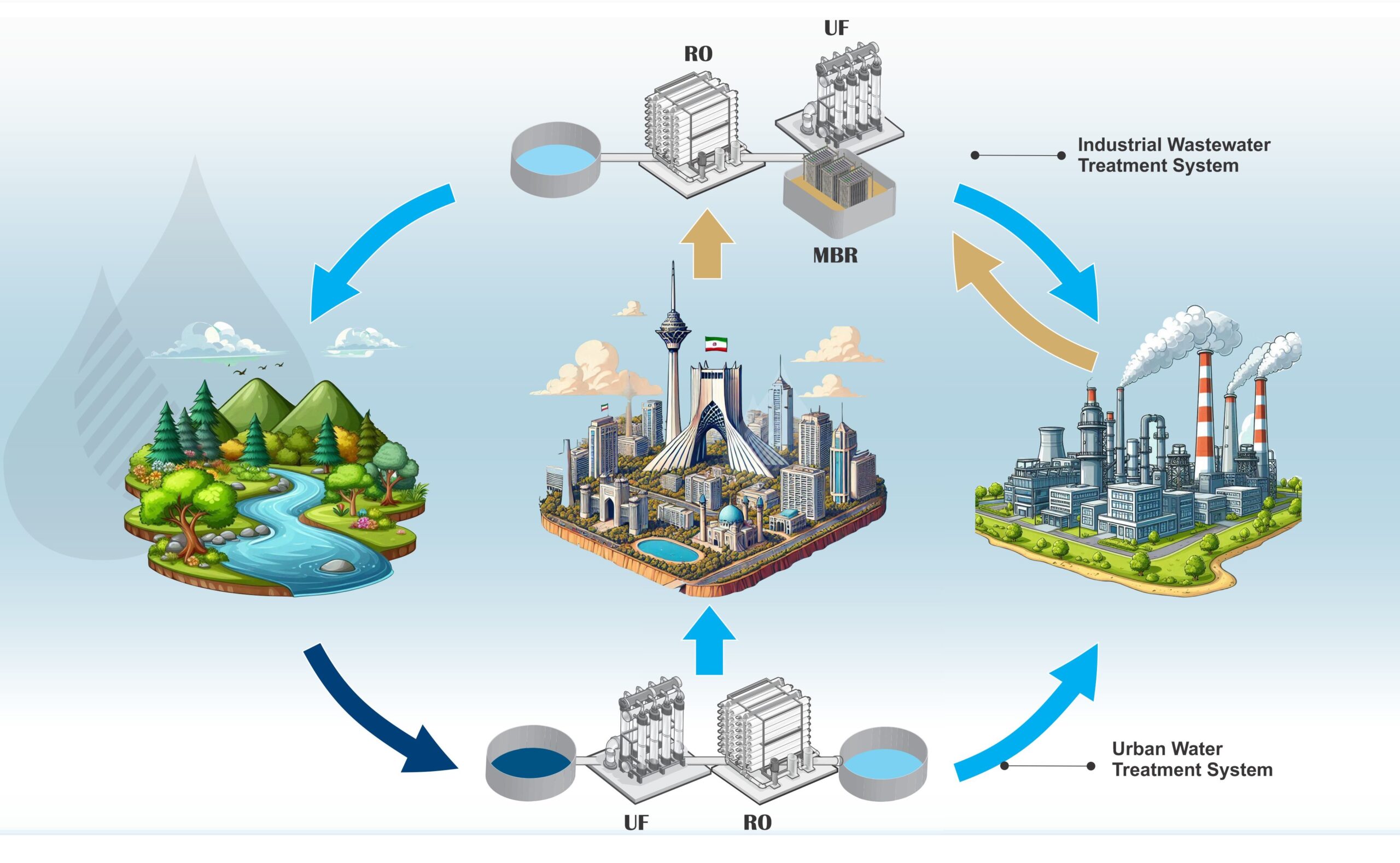
The final stage in the recycling flow is the safe application of the reclaimed water, categorized by the level of human exposure risk.
- Urban Reuse: Watering Cities Urban reuse provides water and nutrients for amenities such as parks, sports fields, and golf courses. It can also include dual reticulation systems supplying homes with treated wastewater for toilet flushing and garden irrigation. Where urban access is unrestricted, the wastewater quality must be extremely high, typically requiring a FIB criterion of <1 E. coli/100 mL.
- Agricultural Reuse: Water for Crops Wastewater is a valuable source of water and nutrients for agriculture. Reuse applications include irrigation of non-food crops, pasture, fodder, and food crops.
- High-Risk Food: For food grown in direct contact with the wastewater and eaten raw, a very high level of treatment is required, often meeting FIB criteria of <1/100 mL.
- Pasture/Fodder: For pasture used for animals that form part of the human food chain (like milk or meat producers), FIB criteria may be lowered to <100/100 mL (AWRG).
- Industrial Reuse: Water for Business Treated wastewater can be used by industries (excluding food processing) for cooling towers, boiler water, washdown, and cement manufacture. Guidelines for industrial reuse are often less specific, requiring case-by-case risk assessments. For example, the US EPA specifies a criterion of <200 MPN/100 mL for cooling towers.
- The Social Barrier: Cultural and Public Acceptance Beyond technical purity, the success of recycling schemes relies on social acceptance. Public perception is a critical factor, as there can be significant hesitancy regarding reused wastewater, especially for food production. Consultation with the community and addressing cultural sensitivities are essential components of risk management.
- Economic Drivers: Water Scarcity and Climate Change The move toward water recycling is increasingly driven by economic considerations, especially in areas facing water scarcity. Climate change acts as a significant driver, increasing interest in wastewater as a reliable, alternative water source. These economic and environmental pressures encourage councils and utilities to invest in robust reuse schemes.
- Social Benefits: Food Security (Context Dependent) In certain contexts, particularly Low- and Middle-Income Countries (LMIC), wastewater reuse provides significant social benefits, such as promoting food security and supporting food production. The WHO guidelines, for instance, focus on these contexts where resources may be limited but health benefits from ensuring food production are high.
Phase 6: Challenges and Future Outlook
Even with sophisticated technology, the recycling flow faces ongoing challenges related to contaminants, system reliability, and cultural fit.
- Contamination Challenge: Emerging Chemicals and AMR A significant challenge is the fate of emerging organic chemicals (like pharmaceuticals and endocrine disruptors) and antimicrobial resistance (AMR). There is currently limited information in guidelines regarding the environmental fate of these contaminants. While some guidelines suggest source control to avoid toxic chemicals, more research is needed to fully understand and manage the public health risks associated with these substances.
- The Specific Challenge of Dual Reticulation (Cross-Connections) In urban recycling, particularly schemes providing water for toilet flushing (dual reticulation), the greatest single risk is the cross-connection between the reused wastewater supply and the potable drinking water supply. Even though strict criteria (FIB <1/100 mL) are imposed, incidents of cross-connections have been reported. Avoiding cross-connections is critical, demanding robust plumbing regulations and continuous monitoring.
- The Cultural Imperative (Māori Context Example) In many regions, recycling must align with deep-seated cultural values. For instance, Māori traditional culture and associated customary practices require that human waste be kept separate from food. This means that using wastewater reuse for food production is not likely to be compatible with Māori values. A successful recycling program must incorporate such cultural sensitivities into its policy and practice.
Expert Review: Key Concepts in Recycling
The efficiency of wastewater processing and the resulting safety criteria are highly dependent on the level of risk permitted, leading to significant differences in guidelines across the world.
Applying Multiple Barriers The risk management approach emphasizes the use of multiple barriers to achieve safety. If one barrier fails (e.g., wastewater treatment), other barriers (e.g., restricted access or crop selection) provide an extra layer of protection. The table below illustrates common preventive measures and the pathogen reduction they are estimated to achieve:
| Preventive Measure | Typical Log Pathogen Reduction (AWRG/WHO Context) | Purpose/Application |
| High-Quality Wastewater Treatment | 6.0−>6.5log | Primary reduction of pathogens and viruses. |
| Cooking Produce | 5−7log | Eliminates pathogens before consumption. |
| Drip Irrigation of High Growing Crops | 4log | Prevents direct contact between water/soil and edible parts. |
| Peeling Produce | 2log | Removes surface contaminants. |
| Spray Buffer Zone/Drift Control | 1−4log | Protects workers and the local community from aerosols. |
| Withholding Period (Pathogen Die-off) | 0.5−2.0log/day | Time for pathogens to die off naturally on surfaces. |
Export to Sheets
Note on Efficiency: The MBR process, especially when combined with IFAS, demonstrates highly effective processing, achieving up to 99% COD removal efficiency for remaining COD, which correlates strongly with providing a robust treatment barrier.
Frequently Asked Questions (FAQs) About Recycling Water
- What is the biggest health risk associated with wastewater reuse? The greatest risk to human health from wastewater reuse is associated with pathogens (microbial hazards) like viruses, protozoa, and bacteria. Viruses are often identified as the most significant source of human infections in risk assessments.
- What are health-based targets, and how are they measured? Health-based targets are tolerable risk levels set for a community. They are commonly measured using the Disability Adjusted Life Year (DALY), which quantifies the burden of disease. The standard reference target is a tolerable risk of 10−6 DALY per person per year.
- Why are Faecal Indicator Bacteria (FIB) used instead of testing for all pathogens? It is not possible to test for all potential pathogens in wastewater. Therefore, a surrogate—the FIB, such as E. coli or faecal coliforms—is used. FIB indicates the presence of faecal contamination from warm-blooded animals and is associated with the risk of gastrointestinal illness.
- What is the role of source control in recycling systems? Source control is crucial for managing the quality of the water entering the system. It involves preventing the discharge of highly toxic materials, such as industrial chemicals, into the wastewater stream to avoid toxic concentrations of contaminants.
- Why do water recycling guidelines differ so much internationally? Guidelines differ because they are often tailored to local conditions, resources, and public health priorities. For example, the World Health Organization (WHO 2006) guidelines focus on low- and middle-income countries where achieving food security may outweigh the high costs of advanced treatment, leading to higher acceptable FIB criteria that rely more on end-user control measures like washing or peeling food. In contrast, countries like Australia and the US use more precautionary FIB criteria that demand high treatment levels.
- What operational parameters are monitored during the treatment process? Operational monitoring ensures the treatment plant is functioning correctly. Key parameters monitored include Total Suspended Solids (TSS) and Biological Oxygen Demand (BOD5), which measure organic matter and can affect the performance of final disinfection steps.
Conclusion: The Role of Recycling in a Sustainable Future
Wastewater recycling is moving from a niche activity to a necessary component of sustainable water management. By adopting a robust risk-based framework, practitioners can effectively manage the significant health hazards associated with reuse, primarily microbial pathogens. This framework relies on a system of multiple, carefully monitored barriers.
The technological stages of the recycling flow, such as those illustrated by the high efficiency of MBR (up to 99% COD removal in combination with IFAS), demonstrate the capacity to produce very high-quality treated water. However, technology must be complemented by vigilant monitoring, strong policy, and sensitivity to social and cultural values.
The Australian Guidelines for Water Recycling (NRMMC et al 2006), referenced widely in international standards, represent a precautionary approach that is increasingly being adopted to manage risk consistently across agricultural, urban, and industrial applications. As water scarcity intensifies, the future of sustainability depends on maximizing the efficiency of every resource, ensuring that wastewater is effectively recycled into a safe and valuable asset for generations to come.
External Credible Source Reference: World Health Organization (WHO). WHO. 2006. WHO Guidelines for the Safe Use of Wastewater, Excreta and Greywater. World Health Organization.